Few dashboard lights cause as much immediate dread for a car owner as the “Check Engine” light, often glowing in an unsettling amber hue. While it can certainly signal a serious problem, it’s not always a cause for immediate panic. This light is your vehicle’s way of communicating that something is amiss within its sophisticated engine management or emissions system. Understanding what it means and how to react can save you stress, and potentially significant repair costs, in the long run.
Essentially, the Check Engine Light (CEL), also known as the Malfunction Indicator Lamp (MIL), illuminates when your vehicle’s onboard diagnostic (OBD-II) system detects a fault within the engine, transmission, or emissions control components. Modern cars are equipped with numerous sensors that continuously monitor various systems. When a sensor detects a reading outside of its normal operating range, it triggers a diagnostic trouble code (DTC) and illuminates the CEL.
Sometimes, the cause can be surprisingly minor. A common culprit is a loose, faulty, or missing gas cap. This might seem insignificant, but a leaky gas cap allows fuel vapours to escape, affecting the evaporative emissions system and triggering the light. Other less urgent issues could include a failing oxygen sensor (which monitors exhaust gases) or spark plug/ignition coil problems that affect combustion efficiency.
However, the CEL can also indicate more serious underlying issues that demand immediate attention. These include problems with the catalytic converter, a crucial component for reducing harmful emissions, or significant engine misfires. Ignoring these warnings can lead to reduced fuel economy, increased emissions, and severe, costly damage to your engine or other vital components over time.
So, what should you do when your Check Engine Light comes on? First, don’t panic. Safely pull over when possible and check your gas cap to ensure it’s tight. If the light is flashing, or if you notice severe symptoms like a significant loss of power, strange noises, or excessive smoke, it’s best to stop driving immediately and arrange for a tow. If the light is solid and there are no noticeable driving issues, you can cautiously drive to a service centre.
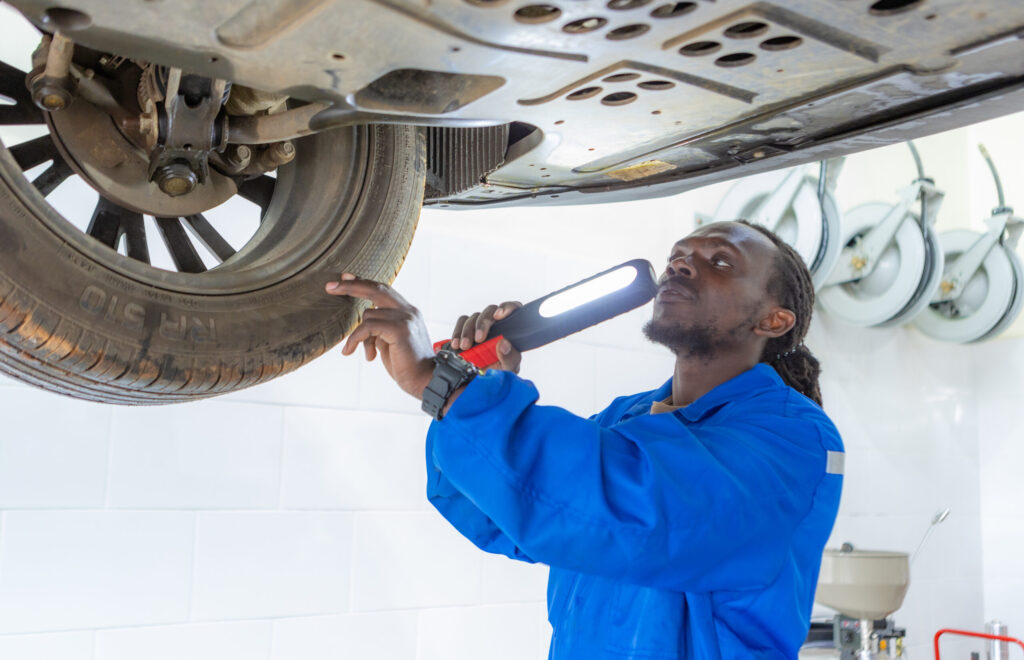
While an online search might give you general ideas, pinpointing the exact issue requires a professional diagnostic scan. Modern vehicles require specialized equipment that connects to your car’s OBD-II port to read the specific diagnostic trouble code. This code provides technicians with precise information about what system or component has failed, allowing for accurate repair.
Don’t let the Check Engine Light leave you guessing. Ignoring it can turn a minor issue into a major repair. At TopKing Services, we have the advanced diagnostic tools and experienced technicians to accurately read your vehicle’s fault codes, diagnose the root cause, and provide effective solutions. Bring your car in for a comprehensive check-up and drive away with confidence, knowing your vehicle is in expert hands.