Driving in Kenya, with its diverse terrains and bustling cityscapes, demands a reliable vehicle. Whether you’re navigating Nairobi’s traffic or embarking on a cross-country adventure, ensuring your car is in top condition isn’t just about convenience—it’s about safety and saving money in the long run. Proactive car maintenance extends your vehicle’s lifespan, improves fuel efficiency, and prevents costly breakdowns. At TopKing Services, we believe every Kenyan driver deserves peace of mind on the road.
1. Don’t Skip Regular Oil Changes:
Your engine oil is the lifeblood of your car, lubricating moving parts and preventing overheating. Given the dust and varied conditions on Kenyan roads, oil can degrade faster. Regular oil changes, as per your manufacturer’s recommendations or even slightly more frequently depending on your driving habits, are paramount. Fresh oil ensures your engine runs smoothly, enhances fuel economy, and reduces wear and tear.
2. Master Your Tyres: Pressure, Tread, and Alignment:
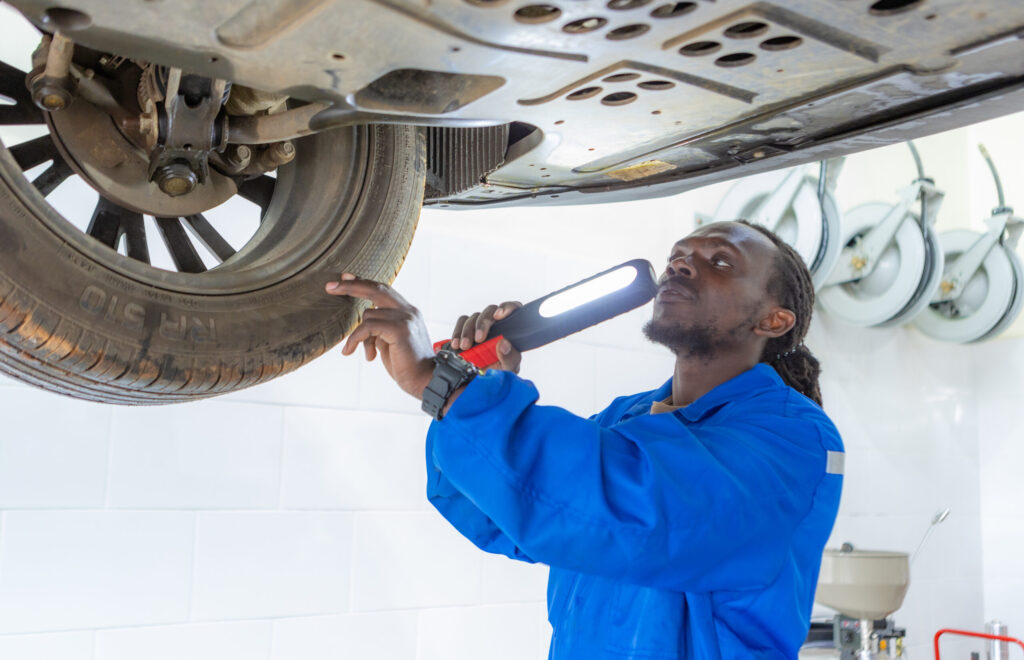
Tyres are your car’s only contact with the road, and their condition directly impacts handling, braking, and safety. Regularly check your tyre pressure, as under-inflated tyres can lead to blowouts and reduced fuel efficiency. Inspect the tread for wear and tear, and pay attention to any uneven wear, which could signal a need for wheel alignment and balancing. Potholes are common, making consistent alignment checks crucial.
3. Prioritize Your Brakes: Safety First:
Functional brakes are non-negotiable for safety. Pay attention to any squealing, grinding, or a spongy feeling when you press the brake pedal. These are signs that your brake pads, discs, or fluid might need attention. Regular brake inspections ensure your braking system is responsive and reliable, providing you with the confidence to stop safely in any situation.
4. Check All Your Fluids, Not Just Oil:
Beyond engine oil, your car relies on a range of other fluids to operate correctly. This includes coolant (to prevent overheating), brake fluid, power steering fluid, and transmission fluid. Regularly check these fluid levels and their condition. Low or contaminated fluids can lead to serious mechanical issues that are expensive to fix.
5. Keep Your Battery and Electrical System Healthy:
A healthy battery and electrical system are vital for starting your car and powering its various components. Ensure your battery terminals are clean and free of corrosion. If you notice slow cranking or dimming lights, it might be time for a battery check or replacement. A well-maintained electrical system prevents unexpected breakdowns and ensures all your car’s features work optimally.